The Future of the World is Analog
by shadin · Nov 4, 2026
All 10 passages read as human-written.
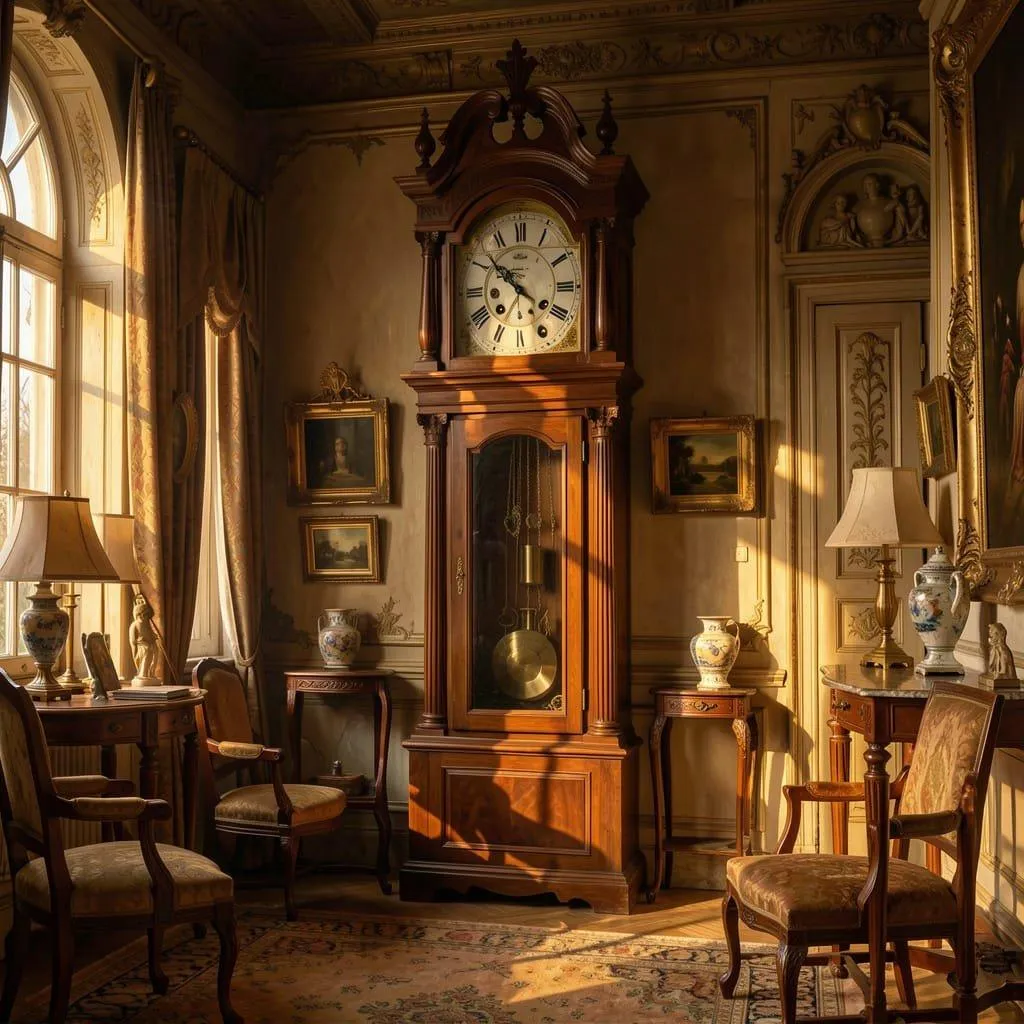
During my childhood, we had this big clock in our house. It was golden in colour, with a large, diamond-shaped pendulum that would slowly turn from side to side, almost like a merry-go-round. I always wondered what it would be like to swing on it. It was a diamond-fin (or lozenge-style) torsion pendulum clock, a kind of grandfather clock that hung on our wall. It was a wedding gift to my parents.
The clock played a short musical sequence every 15, 30, 45 and 60 minutes, and its chime knocked on everyone’s door. We knew whether it was the hour, a quarter past, half past, or a quarter to. Life was predictable back then; life was right. We knew what time it was: the time to eat, pray, play or study.
It had been in our house for close to 20 years, and it ran on one of those big cylindrical batteries. Then, one fine day, it decided to play its last musical sequence, never to return.
The house stopped functioning. Everyone kept glancing at the wall, confused. It was as if we had lost something.
My father and I went to every shop we could find, but they all had the same answer — it was beyond repair. Okay then, let’s buy a new clock with the same features. The answer was no. Nobody had one. Clocks don’t play music anymore; clocks are silent now. You won’t even hear the second hand move.
Life stopped there.
From that day on, our house went digital: smartwatches, remote-controlled fans and all the other conveniences that came with modern living. Times had changed. We prefer fast, ready-made products, and somewhere along the way we have forgotten how things were made.
The world started moving faster, much like the Red Queen’s race in Lewis Carroll’s Through the Looking-Glass. The Red Queen tells Alice that she has to run as fast as she can just to stay in the same place. Today we call this the Red Queen effect, and it feels increasingly relevant. We keep running, upgrading and adapting only to find ourselves in the same place the next day.
Maybe I’m not the only one who has started looking back.
I recently had a beautiful conversation with a friend of mine. She said she would love to have a government job and a house in the north of India, somewhere like Himachal or Kashmir, with rose gardens.
I added fruits, all different varieties.
She said oranges, then a white curtain, which intrigued me. A white curtain: like me, you’ve probably pictured one too, fluttering at an open window. I added wooden tables. She said a gramophone. I said, exactly, and cassettes.
Then came indoor plants, then creepers, then vines covering the house, and a beautiful pond with lilies to finish it off.
“The world is definitely going analog,” I said.
AI involvementHuman-made
0%estimated
likely 0–13%
likely 0–13%
052050100%
Where AI was used
- Idea & conceptNo AI
- Making itNo AIAutomated scan: 0% looks machine-made
- Editing & polishNo AI
- Supporting assetsNo AI
Process evidence: 0% strength0 items
0 comments
Comments
No comments yet.
Log in to join the conversation.